
Warning Signs.
Warning Signs.
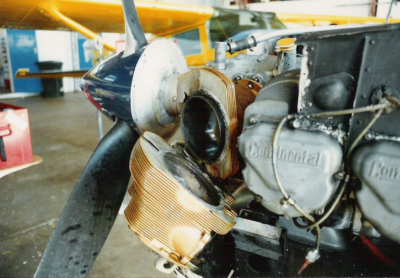
Flight training for emergency situations can often focus on when things go bang! Major failures in the aircraft that err more towards the need for black and white action rather than nuance and potential ambiguity. The catastrophic engine failure rather than that intermittent rough running with subtle, partial reductions in power. Even in the world of advanced flight simulators, where almost limitless options of simulated failures exist, the temptation can be to replicate the rapid onset of critical scenarios.
There is no doubt that these events occur but equally, if not more often, the insidious development of less obvious symptoms emerge prior to the total collapse of the system. Similarly, we can be led down the wrong path when trying to interpret these signs, frequently because we have rushed into a pre-existing bias or poor underpinning knowledge.
On occasions, the first signs of an impending failure can be very subtle and unimportant. They can seem isolated and unrelated to the major issue that is waiting to surface. Consequently, when early warning signs emerge, they need to be addressed in a timely manner. Ignoring them can allow an inconvenience to develop into an emergency.

It must also be remembered that managing these situations cannot come at the expense of managing the flight path. The often-quoted example is Eastern Airlines 401 Lockheed TriStar which descended into the Florida Everglades while the crew were focused on a blown bulb. In multi-crew operations, tasks can be divided and at least one member of the crew should be ensuring that the aircraft is kept in a safe state. For the lone pilot, it is a constant cycle of activity to address the problem while aviating, navigating and communicati
Modern aircraft, both midget and massive, possess myriad sensors to give maximum notice of an impending failure. Digital systems monitor every imaginable parameter and signal any deviation, whereas we once had to eke out those signs through trend sheets printed on A4 paper. However, regardless of the tools at our disposal, all aviators need to maintain a high level of vigilance regarding all aspects of their flight.
It is rarely a bolt from the blue that brings us down. It is those creeping early warning signs that at first seem so minor that ultimately have the potential to thoroughly ruin our day.

RECENT POSTS


